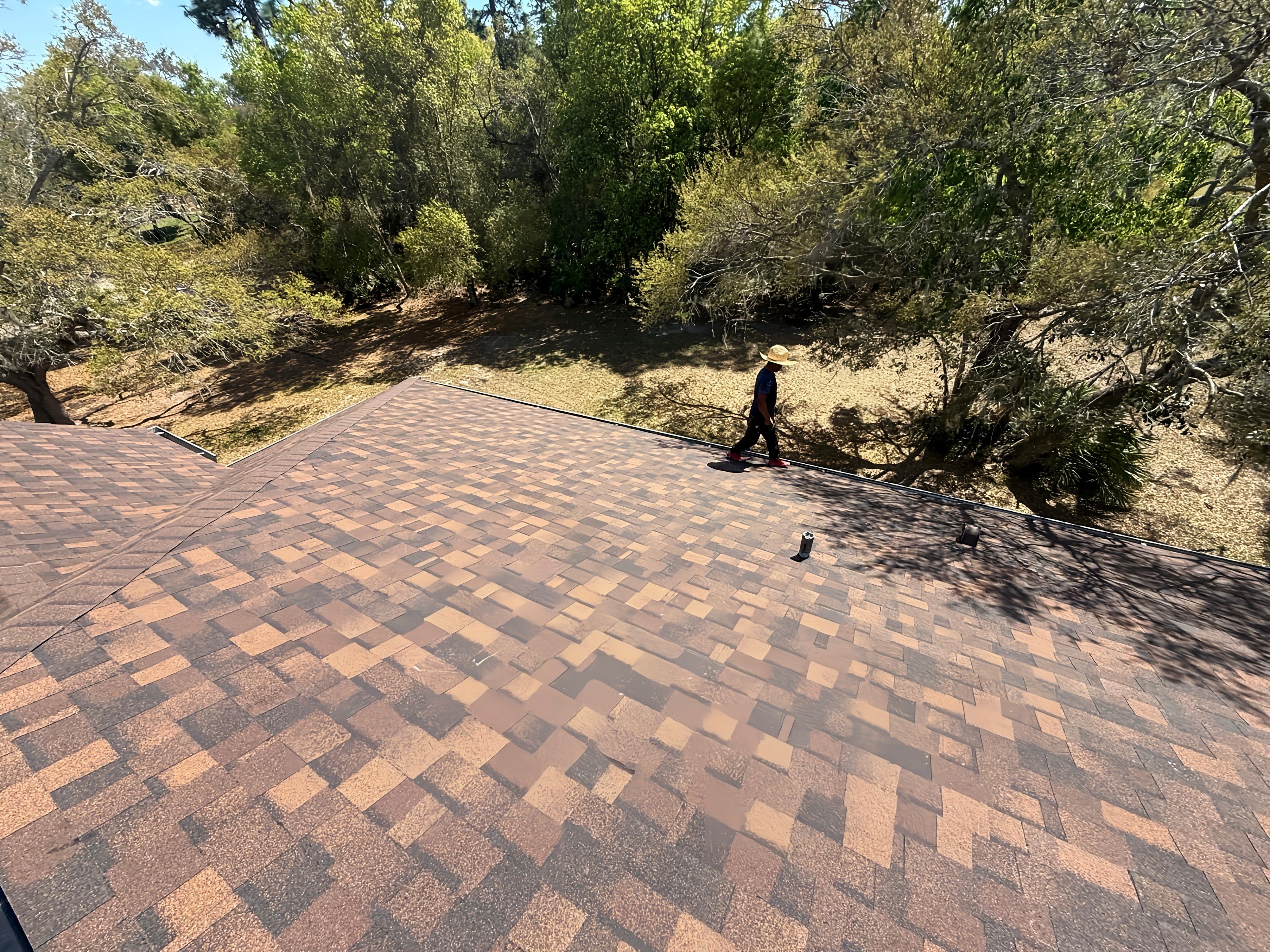
A roof problem found late in a sale costs time, money or both. Here is how a roof inspection fits each side of an Orlando transaction.
| Who | What they need to know | When to inspect |
|---|---|---|
| Seller | What a buyer's inspector and insurer will find | Before listing |
| Buyer | Roof age, condition, years left and whether it will pass insurance | During the inspection period |
| Realtor | Whether the roof could block insurance or financing | Before listing, or as soon as a contract is signed |
Why does the roof matter so much in an Orlando sale?
Because the buyer needs homeowners insurance to close with a mortgage, and Florida insurers look hard at roofs. Citizens Property Insurance, the state's insurer of last resort, publishes its rules. Private carriers set their own.
On its inspections page, Citizens says it requires a four-point inspection for dwelling applications on properties more than 20 years old. A Florida-licensed inspector checks the electrical system, plumbing, HVAC and roof, and reports the age, type and condition of each.
Citizens also draws age lines. A shingle roof past 25, or a tile, slate, clay, concrete or metal roof past 50, has to be shown to have five or more useful years left. When a roof falls short of that, Citizens wants proof of a full replacement before it writes the policy. Our roof age guide covers the state law behind these rules.
How does a roof inspection tie in to the 4-point?
The 4-point form is short. It asks for the roof's age, type and condition, and the inspector notes visible problems. A detailed roof inspection gives you that information early, with photos, so nothing on the 4-point is a surprise.
Citizens' support pages say the four-point report must be dated within 12 months before the new-business application. They also say a signed four-point with photos of every side of the roof can stand in for Citizens' separate Roof Inspection Form. Other insurers use their own forms and rules, so check with the buyer's agent.
What about the wind mitigation report?
A wind mitigation inspection is different. It lists the home's hurricane features on state form OIR-B1-1802 (how the deck is nailed, what ties the roof to the walls, whether a secondary water barrier is there) so the insurer can apply premium discounts. It does not rate the roof's condition.
For buyers, a current wind mitigation report from the seller can help when pricing insurance. For sellers, a permitted reroof from the last few years usually moves the deck and water barrier answers up a grade. See our wind mitigation inspection guide and Florida Building Code roof requirements.
| Report | What it answers | Who uses it |
|---|---|---|
| Roof inspection | What condition is the roof in, and how long will it last | Buyer, seller, realtor |
| 4-point inspection | Are the roof, electrical, plumbing and HVAC insurable | Insurer |
| Wind mitigation | Which wind-resistant features earn discounts | Insurer |
What should sellers do before listing?
Get the roof inspected before the house goes on the market. If it finds a few lifted shingles, a cracked pipe boot or a slipped tile, fix them and keep the invoice. If the inspector gives the roof only a few more years, you can replace it, offer a credit, or price the house with that in mind. Any of those is easier before a buyer's inspector finds it.
Disclose what you know. In Johnson v. Davis, a case that involved roof leaks, the Florida Supreme Court held that a home seller who knows of facts that materially affect the property's value, that are not readily observable and not known to the buyer, has a duty to disclose them. Ask your realtor or attorney how that applies to your sale.
Gather the paperwork buyers ask for, including the permit and final inspection for the last reroof, the roofing contract and the warranty. Our roof permits guide explains how to look up a permit.
What should buyers check?
Order a roof inspection during your inspection period, separate from the general home inspection if the roof is older or the home inspector flags concerns. Ask for:
- The roof's age, from the permit record if possible.
- Its condition and estimated remaining life.
- Photos of problem areas, flashing and the attic.
- Whether the roof is likely to meet your insurer's age and condition rules.
Then call your insurance agent before the inspection period ends. A roof the carrier will not write can sink a mortgage approval.
If a roof warranty exists, register the transfer. Under the Owens Corning standard shingle warranty, the warranty can transfer once to the buyer of the home, and the new owner must contact Owens Corning within 60 days of the real estate transfer with proof of purchase and the installation date. If the transfer happens after the warranty's non-prorated period, the remaining defect coverage drops to two years.
How can realtors keep the roof from stalling a closing?
Raise the roof question at listing, not at the insurance quote. A seller-ordered inspection with photos gives buyers' agents and insurers something concrete. If the roof is older, line up a roofer's opinion and a repair or replacement quote early. Our guides on signs you need a new roof, how long a roof lasts in Florida and whether insurance covers roof replacement answer the follow-up questions buyers ask.
Listing soon? An Assure-U roof inspection costs the homeowner nothing and ends with photos plus our read on the roof's remaining years, which is the number buyers and insurers ask about first. For local detail on housing age and permit offices, see our Orlando and Winter Park pages.
Sources
- Citizens Property Insurance Corporation, inspections (four-point and roof condition requirements)
- Citizens Property Insurance Corporation, four-point inspection FAQs
- Owens Corning Standard Product Limited Lifetime Warranty, Pub. No. 10023873-I (August 2026), transferability
- Johnson v. Davis, 480 So. 2d 625 (Fla. 1985), full opinion text